Plastic pollution is choking the Democratic Republic of Congo. Less than 4% of waste is recycled. The rest floods rivers, clogs drains, fuels disasters, and harms public health. This is not a distant threat; it is here, now. And bans alone will not save us.
Environnement
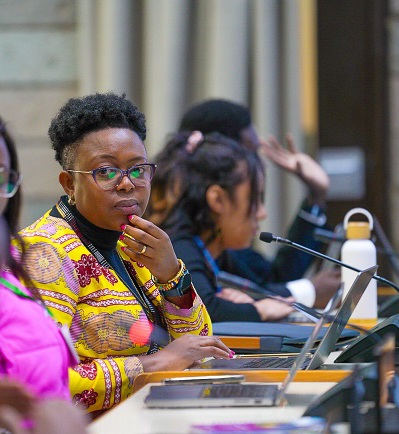
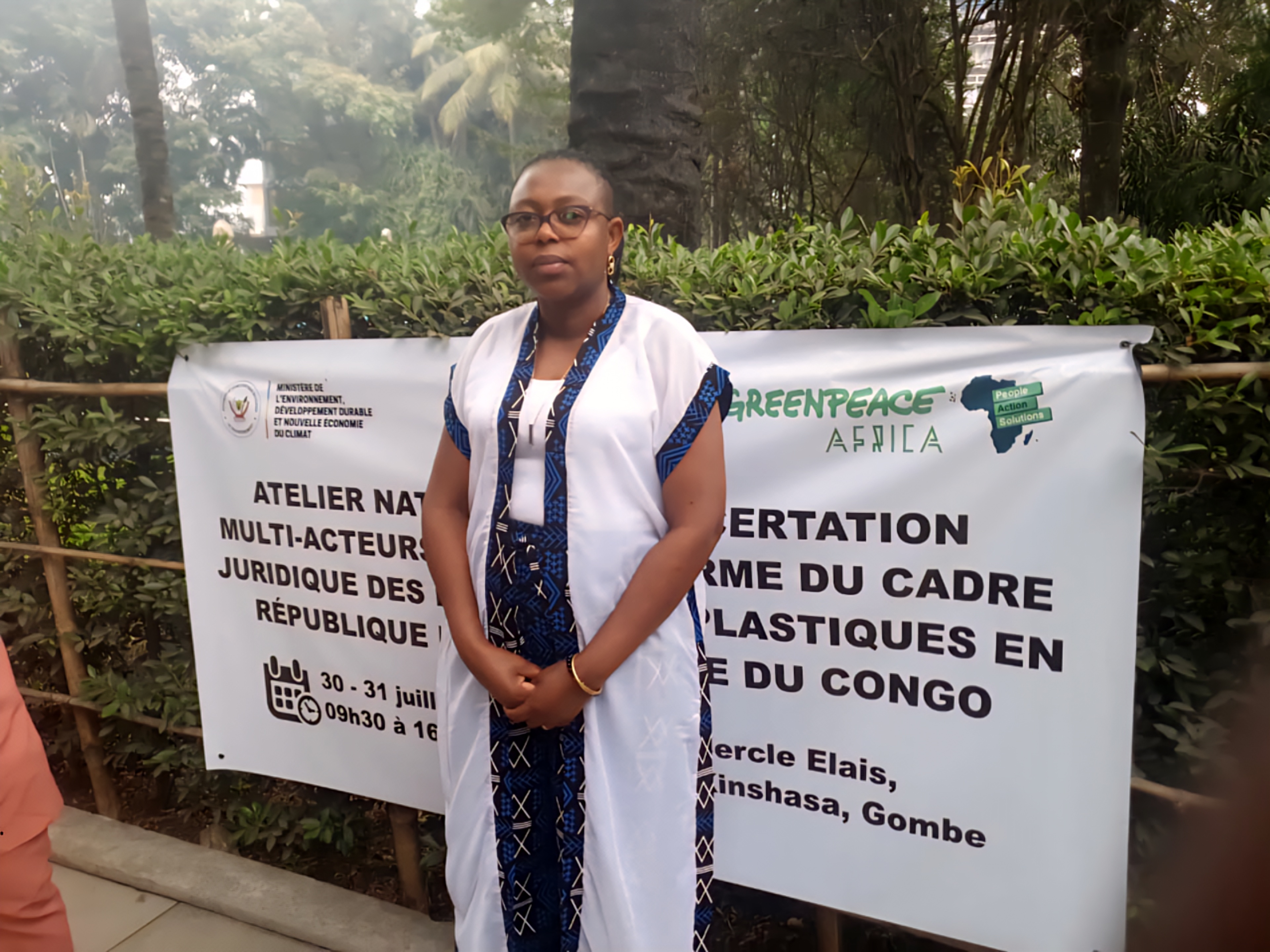
Hellen Kahaso Dena: A Strong African Voice Against Plastic Pollution
Greenpeace Africa has been working in the Democratic Republic of Congo to strengthen environmental governance and fight plastic pollution. Through campaigns, advocacy, and partnerships with government institutions and civil society, Greenpeace pushes for stricter regulations, supports community awareness, and promotes sustainable alternatives such as refill and reuse. Its work in the DRC is part of a broader African effort to protect ecosystems, safeguard public health, and drive the transition toward a circular economy.
At the national workshop in Kinshasa, Hellen Kahaso Dena, Greenpeace Africa’s Plastics Campaign Lead, spoke with the clarity of a leader who knows the stakes. Her words cut through hesitation: “Without firm measures, the law remains dead letter.”
She reminded the audience of Kenya’s strict enforcement, where offenders faced heavy fines or jail terms. That example shows what determination can achieve. But Hellen insists: punishment alone is not enough. “If we want the ban to work, we need sustainable alternatives.”
Her vision is practical and urgent. Citizens must be offered real options to move away from single-use plastics. Producers must be held accountable for what they put on the market. Governments must act with courage, not compromise. For Hellen, the path forward is clear: refill, reuse, responsibility.
Over two days, government officials, civil society, academics, and private sector leaders debated reforms: phasing out non-essential plastics, extended producer responsibility, deposit systems for bottles, fiscal tools, and above all, reuse and refill. In that room, Hellen’s voice rose as a compass for action:
“We must work together: government, private sector, civil society, so that the shift to a circular economy becomes reality.”
Her leadership is not only about policy. It is about justice. Plastic pollution is not just waste; it is inequality, it is health, it is dignity. Communities living with blocked drains and polluted rivers are paying the price of inaction. Hellen speaks for them, and for Africa’s future.
Her words carry rhythm: firmness, alternatives, responsibility. They echo beyond Kinshasa, across the continent. She is not only calling for change in the DRC; she is shaping a continental movement. Through her voice, Africa declares that plastic pollution must end and that the path forward is bold, collective, and unstoppable.
Editorial Team-Green Impact
Commentaires et likes
Aucun commentaire pour le moment.